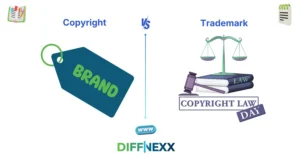
Difference between copyright and trademark often becomes clear in everyday situations. Imagine you create a logo for your business and also write a blog post. You may ask how do I protect both? The answer depends on understanding these two legal terms.
The difference between copyright and trademark lies in what they protect. Copyright protects creative works like writing, music, and art. A trademark protects brand elements like names, logos, and slogans.
Many people confuse these terms because both relate to protection. However, the difference between copyright and trademark is essential for creators, businesses, and learners.
Let’s explore this topic step by step so you can understand it with confidence ⚖️.
🔍 Key Difference Between the Both
The key difference is type of protection.
- Copyright protects original creative works.
- Trademark protects brand identity and symbols.
🌍 Importance
Understanding this difference is important for learners. It builds awareness of intellectual property rights.
For professionals, especially business owners and creators, it helps protect assets. It prevents legal issues and misuse.
In society, these protections encourage creativity and innovation. They ensure people get credit for their work.
🔊 Pronunciation Section
Copyright
US: /ˈkɑːpiˌraɪt/
UK: /ˈkɒpiˌraɪt/
Trademark
US: /ˈtreɪdˌmɑːrk/
UK: /ˈtreɪdˌmɑːk/
Now that you know how to say them, let’s define them clearly.
📚 Core Definitions
Copyright
Copyright is a legal right that protects original creative works. It covers books, music, films, and art. The tone is protective and creative-focused.
Example: A writer owns the copyright to their novel.
Trademark
A trademark is a symbol, word, or design that identifies a brand. It helps people recognize products or services. The tone is business-focused and identity-driven.
Example: A company logo is protected by a trademark.
📚 10 Clear Differences Between Copyright and Trademark
1. Type of Protection
Copyright protects creative works. Trademark protects brand identity.
- Example (Copyright): A song is protected.
- Example (Trademark): A logo is protected.
2. Purpose
Copyright encourages creativity. Trademark builds brand recognition.
- Example (Copyright): Protecting a novel.
- Example (Trademark): Protecting a brand name.
3. Duration
Copyright lasts for many years after the creator’s life. Trademark lasts as long as it is used.
- Example (Copyright): Protection continues decades after death.
- Example (Trademark): Valid as long as the brand exists.
4. Registration
Copyright is automatic upon creation. Trademark often requires registration.
- Example (Copyright): A poem is protected instantly.
- Example (Trademark): A logo must be registered.
5. Scope
Copyright covers expression of ideas. Trademark covers brand symbols.
- Example (Copyright): A movie script.
- Example (Trademark): A company slogan.
6. Legal Focus
Copyright focuses on copying. Trademark focuses on confusion.
- Example (Copyright): Copying a book is illegal.
- Example (Trademark): Using a similar logo may confuse customers.
7. Ownership
Copyright belongs to the creator. Trademark belongs to the business owner.
- Example (Copyright): An artist owns their painting.
- Example (Trademark): A company owns its brand.
8. Emotional Impact
Copyright supports creative pride. Trademark builds trust and loyalty.
- Example (Copyright): Pride in original work.
- Example (Trademark): Trust in a known brand.
9. Context of Use
Copyright is used in creative industries. Trademark is used in business.
- Example (Copyright): Publishing books.
- Example (Trademark): Selling products.
10. Expression Style
Copyright protects detailed expression. Trademark protects simple identifiers.
- Example (Copyright): A full novel.
- Example (Trademark): A short brand name.
🎯 Why Knowing the Difference Matters
Students must understand these terms for academic clarity. It helps them avoid plagiarism and misuse.
Professionals need this knowledge to protect their work and brands. It reduces legal risks and improves business security.
In society, correct use prevents confusion and conflict. It ensures fair use and respect for ownership.
Real-world consequences of confusion
Confusing these terms can lead to legal problems. For example, using a trademarked logo without permission can result in penalties.
🧠 Why People Get Confused
Similar Terminology
Both relate to protection and ownership. This creates confusion.
Semantic Overlap
They both deal with intellectual property. This overlap hides their differences.
Context-Based Usage
People use them loosely in conversation. This leads to misunderstanding.
Influence of Informal Speech
Many people simplify legal terms, which causes confusion.
🎭 Connotation & Emotional Tone
Connotation = the emotional meaning associated with a word.
Copyright
- Positive: Creative protection
- Neutral: Legal right
- Negative: Restrictions on sharing
Example: Copyright protects original work.
Trademark
- Positive: Brand trust
- Neutral: Business identity
- Negative: Legal complexity
Example: Trademark builds brand recognition.
🗣 Usage in Metaphors, Similes & Idioms
These terms are sometimes used metaphorically:
- “That idea is his copyright.” (unique ownership)
- “Her style is her trademark.” (signature identity)
These uses show deeper meaning in everyday language.
📊 Comparison Table
| Feature | Copyright | Trademark |
|---|---|---|
| Meaning | Protects creative works | Protects brand identity |
| Tone | Creative, protective | Business-focused |
| Usage | Art, writing, media | Branding, marketing |
| Context | Creative industries | Commercial industries |
| Formality | Legal | Legal |
⚖️ Which Is Better in What Situation?
When to use Copyright
Use copyright when protecting creative work like books, music, or videos. It ensures your ideas stay yours.
When to use Trademark
Use trademark when protecting brand elements like logos or names. It helps customers identify your business.
Situational clarity
If your work is artistic, copyright is best. If it represents a brand, trademark is better.
Contextual correctness
Choose based on purpose. Creative content needs copyright. Business identity needs trademark.
📖 Literary or Cultural References
- Book: Copyright Law in a Nutshell (Law, Arthur R. Miller, 2017)
- Book: Trademark Law and Theory (Law, Graeme B. Dinwoodie, 2008)
- Movie: The Social Network (USA, 2010) – shows business identity and ownership
- Movie: Joy (USA, 2015) – highlights product branding and protection
❓ FAQs
1. Can something have both copyright and trademark?
Yes, some things can have both. For example, a logo design may have copyright protection as artwork and trademark protection as a brand symbol. Each protects a different aspect.
2. Do I need to register copyright?
In many countries, copyright is automatic. However, registration can provide extra legal benefits. It makes enforcement easier.
3. How long does a trademark last?
A trademark can last forever if it is used and renewed. It depends on continuous use and legal maintenance.
4. What happens if someone violates copyright?
They may face legal action. This can include fines or removal of content. It protects the creator’s rights.
5. Why is trademark important for businesses?
Trademark helps customers recognize your brand. It builds trust and prevents confusion. It also protects your business identity.
🏁 Conclusion
The difference between copyright and trademark is clear once you understand their purpose. Copyright protects creative works, while trademark protects brand identity.
Knowing this difference helps you protect your ideas and business effectively. It also improves your understanding of legal rights in everyday life.
Whether you are a student, creator, or entrepreneur, this knowledge is valuable. Keep learning and applying it to make informed decisions and protect what matters most 📚.

Eliza Marlowe is a passionate content strategist and comparison writer at diffnexx.com. She specializes in breaking down complex “difference between” topics into clear, reader-friendly guides. With a background in linguistics and digital research, Eliza focuses on accuracy, clarity, and content that helps readers make informed decisions with confidence.