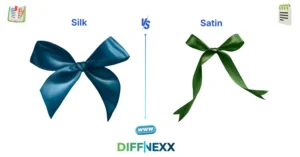
Difference between silk and satin often comes up when you shop for clothes or bedding. Imagine you’re choosing a pillowcase. One says silk, the other says satin. Both look shiny and smooth. But which one should you pick?
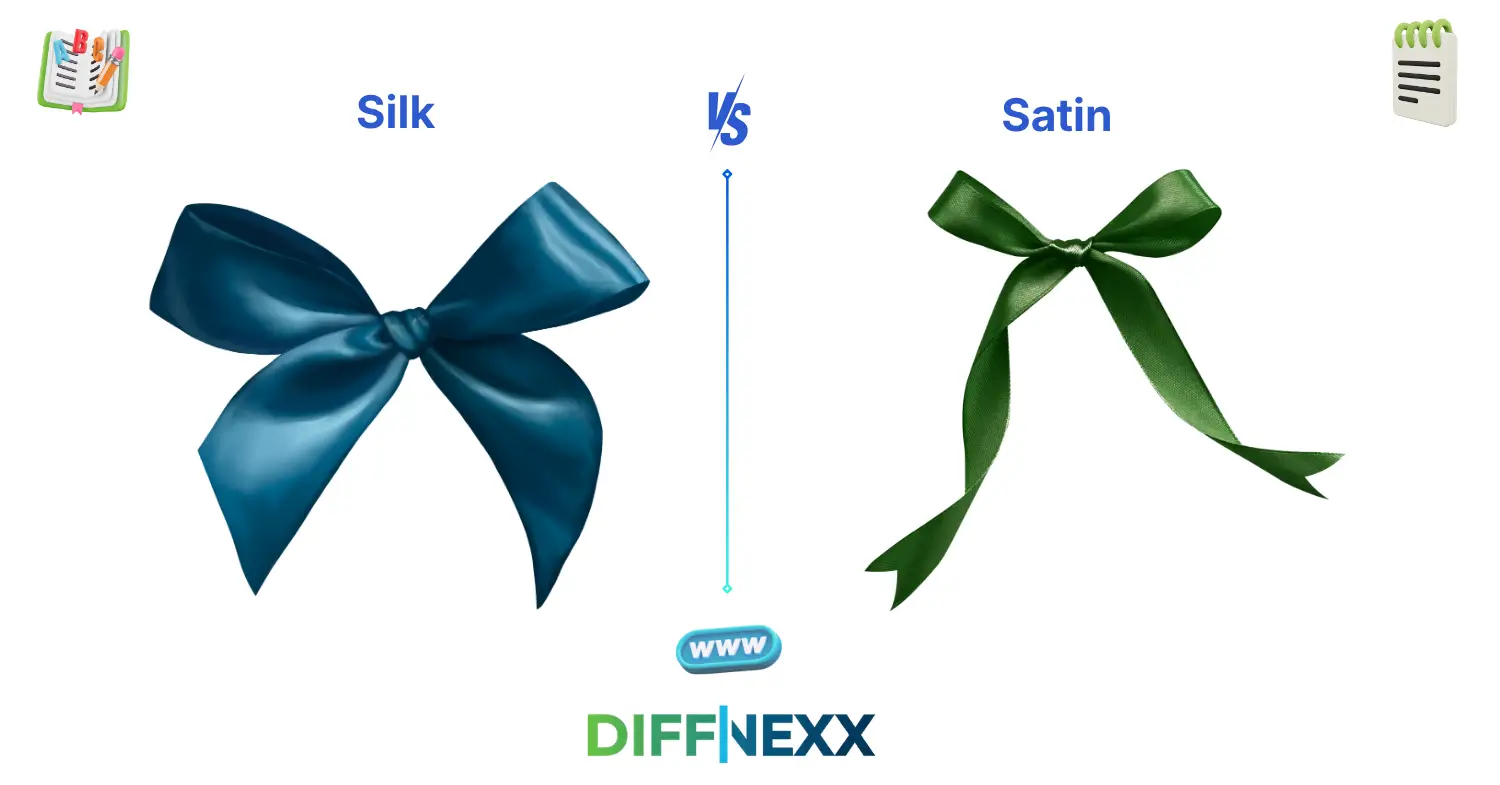
The difference between silk and satin is simple once you understand it. Silk is a natural fiber made by silkworms. Satin is a weaving technique that creates a glossy surface. This means satin can be made from different materials, not just silk.
Many people think they are the same. That’s why learning the difference between silk and satin helps you make better choices when buying fabrics.
Let’s explore their meanings and differences step by step 🧵.
🔍 Key Difference Between the Both
The main difference is material vs technique.
- Silk is a natural fabric fiber.
- Satin is a weaving style that can use many fibers.
🌍 Importance
Understanding this difference helps learners make smart decisions when buying products. It avoids confusion and saves money.
For professionals in fashion and textiles, this knowledge is essential. It helps them guide customers correctly.
In society, fabric choices affect comfort, style, and even skin health. Knowing the right material improves daily life.
🔊 Pronunciation Section
Silk
US: /sɪlk/
UK: /sɪlk/
Satin
US: /ˈsætɪn/
UK: /ˈsætɪn/
Now that you can pronounce them, let’s define them clearly.
📚 Core Definitions
Silk
Silk is a natural fiber produced by silkworms. It is soft, smooth, and luxurious. The tone feels elegant and premium.
Example: She wore a silk dress to the event.
Satin
Satin is a weaving method that creates a shiny surface. It can be made from silk, polyester, or nylon. The tone feels glossy and stylish.
Example: The satin pillowcase felt smooth and cool.
📚 10 Clear Differences Between Silk and Satin
1. Nature
Silk is a natural fiber. Satin is a fabric weave.
- Example (Silk): Made from silkworm threads.
- Example (Satin): Made using a special weaving pattern.
2. Material Source
Silk comes from insects. Satin can be synthetic or natural.
- Example (Silk): Derived from cocoons.
- Example (Satin): Made from polyester or silk.
3. Texture Feel
Silk feels soft and breathable. Satin feels smooth and glossy.
- Example (Silk): Light and airy touch.
- Example (Satin): Slippery surface.
4. Breathability
Silk allows air flow. Satin may trap heat if synthetic.
- Example (Silk): Comfortable in warm weather.
- Example (Satin): Can feel warm at night.
5. Price
Silk is usually expensive. Satin is often affordable.
- Example (Silk): Luxury clothing.
- Example (Satin): Budget-friendly options.
6. Durability
Silk is delicate. Satin can be more durable, especially synthetic types.
- Example (Silk): Needs careful handling.
- Example (Satin): Stronger in daily use.
7. Shine Quality
Silk has a natural shine. Satin has a glossy finish from weaving.
- Example (Silk): Soft glow.
- Example (Satin): Bright shine.
8. Maintenance
Silk requires special care. Satin is easier to maintain.
- Example (Silk): Hand wash recommended.
- Example (Satin): Machine washable (depending on material).
9. Usage Context
Silk is used in luxury items. Satin is used in fashion and home goods.
- Example (Silk): Designer dresses.
- Example (Satin): Pillowcases and curtains.
10. Expression Style
Silk feels premium and classic. Satin feels modern and versatile.
- Example (Silk): Elegant outfit.
- Example (Satin): Trendy bedding.
🎯 Why Knowing the Difference Matters
Students benefit by understanding fabric terminology clearly. It helps in exams and daily use.
Professionals in fashion or retail must explain these differences. It improves customer trust and satisfaction.
In everyday life, choosing the right fabric improves comfort and value. It helps avoid wasting money on the wrong product.
Real-world consequences of confusion
Buying satin thinking it is silk may lead to disappointment. For example, a satin pillowcase may not feel as breathable as silk.
🧠 Why People Get Confused
Similar Appearance
Both fabrics look shiny and smooth. This creates confusion.
Semantic Overlap
People use “satin” and “silk” interchangeably. This is incorrect.
Context-Based Usage
Stores sometimes label satin as “silky.” This misleads buyers.
Influence of Informal Speech
Everyday language often mixes these terms.
🎭 Connotation & Emotional Tone
Connotation = the emotional meaning associated with a word.
Silk
- Positive: Luxury, elegance
- Neutral: Natural fabric
- Negative: Expensive and delicate
Example: Silk gives a premium feel.
Satin
- Positive: Smooth, stylish
- Neutral: Glossy fabric
- Negative: Can feel synthetic
Example: Satin offers a shiny finish.
🗣 Usage in Metaphors, Similes & Idioms
- “Smooth as silk” (very soft and gentle)
- “Voice like satin” (smooth and rich tone)
Example Sentences:
- Her hair felt smooth as silk.
- His speech flowed like satin.
📊 Comparison Table
| Feature | Silk | Satin |
|---|---|---|
| Meaning | Natural fiber | Weaving technique |
| Tone | Luxurious | Stylish |
| Usage | Premium products | Versatile products |
| Context | Fashion, luxury | Fashion, home goods |
| Formality | High-end | Flexible |
⚖️ Which Is Better in What Situation?
When to use Silk
Choose silk for luxury and comfort. It is best for sensitive skin and elegant clothing.
When to use Satin
Choose satin for affordability and style. It works well for bedding and fashion.
Situational clarity
Silk suits formal and premium needs. Satin suits practical and stylish needs.
Contextual correctness
Pick based on budget and purpose. Both have their advantages.
📖 Literary or Cultural References
- Book: Fabric for Fashion (Fashion, Clive Hallett, 2014)
- Movie: Cinderella (USA, 2015) – features luxurious fabrics
- Movie: The Great Gatsby (USA, 2013) – showcases elegant clothing
❓ FAQs
1. Is satin always made from silk?
No, satin is not always silk. Satin refers to a weaving method, not a material. It can be made from polyester, nylon, or silk. This is a common misunderstanding.
2. Which is better for hair, silk or satin?
Both are good, but silk is often better. It is more breathable and gentle on hair. Satin is still a good, affordable alternative.
3. Why is silk more expensive?
Silk is natural and takes time to produce. It comes from silkworms and requires careful processing. This makes it more costly.
4. Can satin feel like silk?
Yes, satin can feel similar to silk. However, the quality depends on the material used. Synthetic satin may not match real silk.
5. Which fabric lasts longer?
Satin may last longer if made from strong synthetic fibers. Silk is delicate and needs careful handling. Proper care affects durability.
🏁 Conclusion
The difference between silk and satin is clear when you understand their nature. Silk is a natural fiber known for luxury and comfort. Satin is a weaving technique that creates a glossy finish.
Knowing this difference helps you choose the right fabric for your needs. It improves your shopping decisions and overall experience.
Whether you prefer elegance or practicality, both fabrics offer unique benefits. Keep learning and exploring small knowledge like this makes everyday choices smarter and easier ✨.

Anton Reyes is a contributing writer at DiffNexx.com, where he explores meaningful differences in language, culture, and everyday concepts. With a background in creative nonfiction, Anton brings clarity and balance to complex comparisons. His writing helps readers understand subtle distinctions in words and ideas, making learning both insightful and engaging.