Difference between joint and blunt often comes up when people are trying to understand common terms used in casual conversations or media. Imagine sitting with friends, hearing these words, and not being sure what they really mean. It can feel confusing.
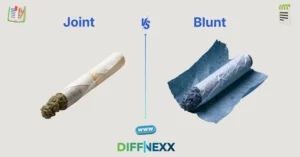
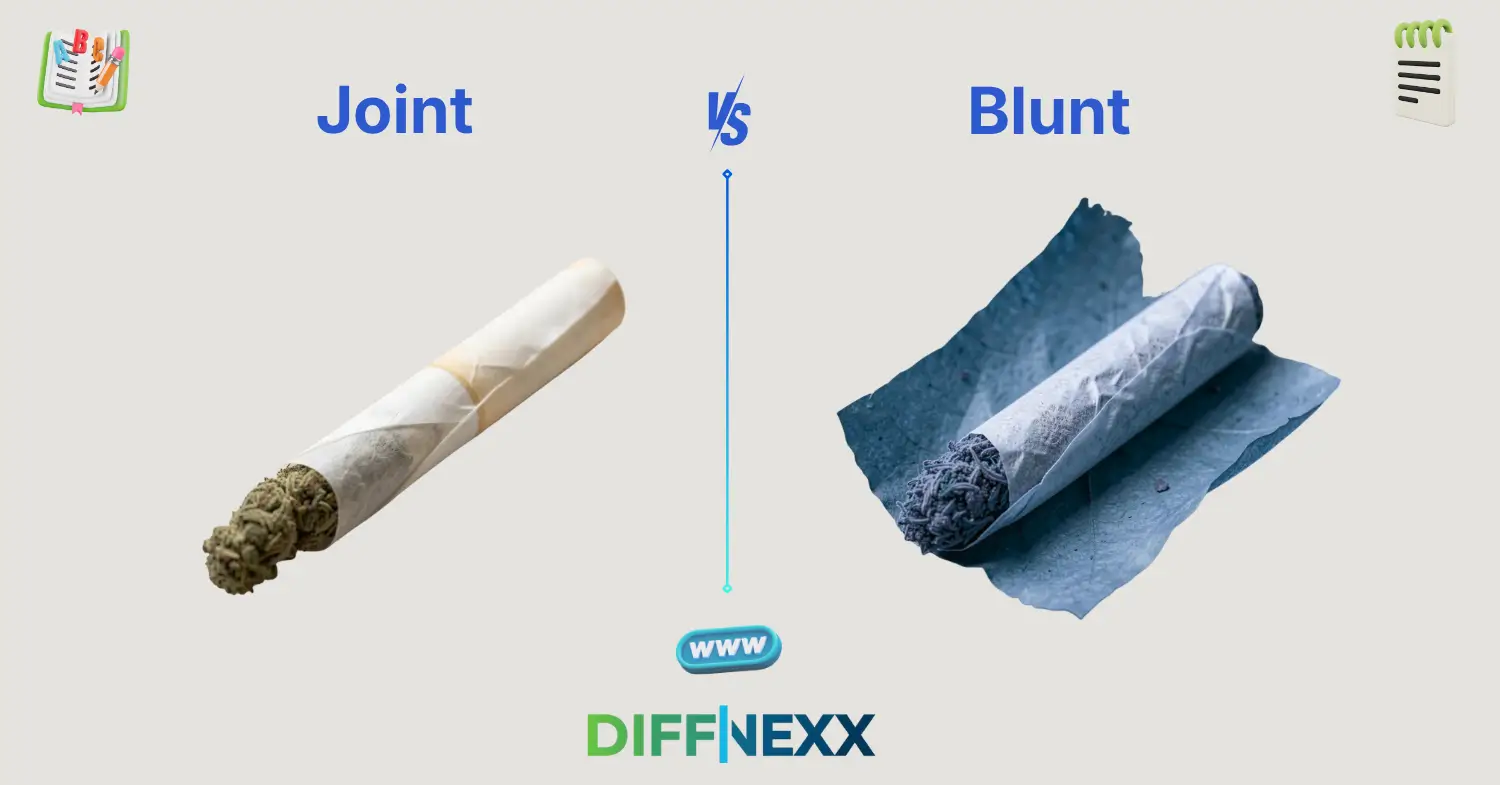
The difference between joint and blunt is mainly about how they are made and what they contain. A joint is typically rolled using thin paper, while a blunt uses thicker wrapping, often made from tobacco leaves. Both are associated with smoking cannabis, but they are not the same.
Understanding the difference between joint and blunt helps you follow conversations better and use the terms correctly. It also builds awareness about language and social context.
Let’s explore the differences step by step.
Key Difference Between the Both
The key difference between a joint and a blunt lies in the wrapping material and composition. A joint uses rolling paper and contains only cannabis, while a blunt uses a tobacco-based wrap and may include nicotine.
Importance – Why Is Their Difference Necessary to Know
Knowing the difference between joint and blunt is important for both learners and experienced individuals.
For learners, it improves vocabulary and cultural understanding. These terms appear in movies, music, and conversations, so clarity matters.
For experts or professionals, especially in health, education, or social work, knowing the distinction helps in clear communication and accurate information sharing.
In society, awareness helps avoid misunderstandings. It also supports informed discussions about health and lifestyle choices.
🔊 Pronunciation Section
Joint
US: /dʒɔɪnt/
UK: /dʒɔɪnt/
Blunt
US: /blʌnt/
UK: /blʌnt/
Now that you know how to pronounce them, let’s define each term clearly.
📚 Core Definitions
Joint
A joint is a cannabis cigarette rolled using thin paper. It usually contains only cannabis without tobacco. The tone is neutral and commonly used in casual contexts.
Example:
“He rolled a joint for personal use.”
Blunt
A blunt is made by wrapping cannabis in a tobacco leaf or cigar paper. It often includes nicotine due to the wrap. The tone can feel heavier or more intense.
Example:
“They shared a blunt during the gathering.”
📚 10 Clear Differences Between Joint and Blunt
1. Composition 🌿
A joint contains only cannabis. A blunt uses a tobacco-based wrap, which may include nicotine.
- Example for Joint: “This joint has no tobacco.”
- Example for Blunt: “This blunt contains a tobacco wrap.”
2. Wrapping Material
Joints use thin rolling paper. Blunts use thicker cigar or tobacco leaf wraps.
- Example for Joint: “The paper is light and thin.”
- Example for Blunt: “The wrap feels thick and heavy.”
3. Flavor Profile
Joints offer a cleaner cannabis taste. Blunts have a stronger, mixed flavor due to tobacco.
- Example for Joint: “It tastes pure.”
- Example for Blunt: “It has a bold, smoky flavor.”
4. Size and Shape
Joints are usually smaller and slimmer. Blunts are larger and thicker.
- Example for Joint: “It’s small and easy to handle.”
- Example for Blunt: “It looks bigger and fuller.”
5. Burn Time ⏳
Joints burn faster due to thin paper. Blunts burn slower because of thicker wraps.
- Example for Joint: “It finishes quickly.”
- Example for Blunt: “It lasts longer.”
6. Nicotine Content
Joints do not contain nicotine. Blunts may contain nicotine from the wrap.
- Example for Joint: “There’s no nicotine involved.”
- Example for Blunt: “The wrap adds nicotine.”
7. Health Impact ⚠️
Joints are considered less harmful than blunts due to no tobacco. Blunts may carry additional risks due to nicotine.
- Example for Joint: “It avoids tobacco exposure.”
- Example for Blunt: “It includes tobacco-related risks.”
8. Social Context
Joints are often used individually or in small groups. Blunts are commonly shared in social settings.
- Example for Joint: “I used it alone.”
- Example for Blunt: “We shared it among friends.”
9. Cost 💵
Joints are usually cheaper to make. Blunts may cost more due to cigar wraps.
- Example for Joint: “It’s budget-friendly.”
- Example for Blunt: “The wrap adds extra cost.”
10. Cultural Representation 🎭
Joints appear in many casual settings. Blunts are often linked to music and pop culture scenes.
- Example for Joint: “It appears in simple settings.”
- Example for Blunt: “It’s common in music culture.”
🎯 Why Knowing the Difference Matters
Students benefit by improving their vocabulary and understanding modern expressions. It helps them follow conversations in media and daily life.
Professionals, especially in healthcare or education, need accurate terms to explain risks and behaviors clearly.
In society, correct usage avoids confusion. It also promotes informed discussions about health and personal choices.
Real-world consequences of confusion
Confusing the terms may lead to misinformation, especially about nicotine exposure. Someone may assume both are the same when they are not.
🧠 Why People Get Confused
Similar Pronunciation
The words sound simple and are often used quickly in speech. This leads to misunderstanding.
Semantic Overlap
Both refer to cannabis use, so people assume they are identical.
Context-Based Usage
In casual talk, people use the terms loosely, which blurs the difference.
Influence of Informal Speech
Movies, music, and slang often mix the terms, increasing confusion.
🎭 Connotation & Emotional Tone
Connotation = the emotional meaning associated with a word.
Joint
Neutral to slightly positive. It suggests simplicity and casual use.
- Example: “He prefers a simple joint.”
Blunt
Stronger tone. It may feel bold or intense due to its association with tobacco.
- Example: “They enjoyed a heavy blunt.”
🗣 Usage in Metaphors, Similes & Idioms
These words are not common in traditional idioms, but they appear in informal expressions:
- “As light as a joint” – suggests something simple or easy.
- “Hits like a blunt” – suggests something strong or intense.
📊 Comparison Table
| Feature | Joint | Blunt |
|---|---|---|
| Meaning | Cannabis rolled in paper | Cannabis in tobacco wrap |
| Tone | Neutral | Strong |
| Usage | Personal or small use | Social sharing |
| Context | Casual | Group setting |
| Formality | Informal | Informal |
⚖️ Which Is Better in What Situation?
When to use Joint
Use “joint” when referring to a simple cannabis cigarette. It fits casual, neutral conversations.
When to use Blunt
Use “blunt” when referring to cannabis wrapped in tobacco leaf. It fits discussions involving stronger forms.
Situational clarity
Choose the term based on composition. If there is tobacco, it is a blunt.
Contextual correctness
Using the correct word ensures accurate communication, especially in health discussions.
📖 Literary or Cultural References
- Book: On Writing (Memoir, Stephen King, 2000) – discusses clarity in language and word choice.
- Movie: Friday (USA, 1995) – features casual conversations using these terms.
❓ FAQs
1. What is the main difference between joint and blunt?
The main difference is the wrapping. A joint uses paper and contains only cannabis, while a blunt uses a tobacco wrap and may include nicotine.
2. Is a blunt stronger than a joint?
A blunt may feel stronger due to nicotine and size. However, the strength also depends on the amount used.
3. Do joints contain tobacco?
No, joints typically contain only cannabis. They are tobacco-free.
4. Why do people prefer blunts?
Some prefer blunts for their slower burn and stronger flavor. Social sharing is also a factor.
5. Are joints safer than blunts?
Joints are generally considered less harmful because they do not include tobacco. However, both carry health risks.
🏁 Conclusion
The difference between joint and blunt is simple but important. A joint is made with paper and contains only cannabis. A blunt uses a tobacco wrap, which adds nicotine and changes the experience.
Understanding this difference improves communication and awareness. It helps you use the right term in the right context.
Clear language leads to better understanding, especially in social and educational settings. Small details like this can make a big difference.
Keep learning, stay curious, and use words with confidence.

Anton Reyes is a contributing writer at DiffNexx.com, where he explores meaningful differences in language, culture, and everyday concepts. With a background in creative nonfiction, Anton brings clarity and balance to complex comparisons. His writing helps readers understand subtle distinctions in words and ideas, making learning both insightful and engaging.